Sarcopenia begins around age 35. Without resistance training, the body loses between 1 and 2% of muscle mass per year. By age 75, that means losing between 40 and 80% of peak muscle mass.
What makes this number relevant is not aesthetics -- it is functional. Muscle determines the capacity to move, regulate metabolism, recover from illness, and statistically, how long you live and in what condition.
Why muscle matters beyond movement
Skeletal muscle is the body largest glucose sink: it absorbs between 70 and 80% of the glucose entering the bloodstream after a meal. Less muscle means less capacity to regulate glucose, more stress on the pancreas, and higher metabolic risk.
Active muscle also secretes proteins called myokines that have systemic anti-inflammatory effects, improve cognitive function, and regulate energy metabolism. Muscle is not just mechanical tissue: it is an endocrine organ.
What the evidence says about muscle and longevity
A study in American Journal of Medicine (2014) found that muscle mass index -- not BMI -- was the most robust predictor of mortality. Participants with the greatest muscle mass had 60% lower mortality risk during follow-up.
Grip strength is one of the most predictive markers of cardiovascular mortality. A 2015 meta-analysis in The Lancet found it was a more consistent predictor of cardiovascular mortality than systolic blood pressure.
How to train it effectively
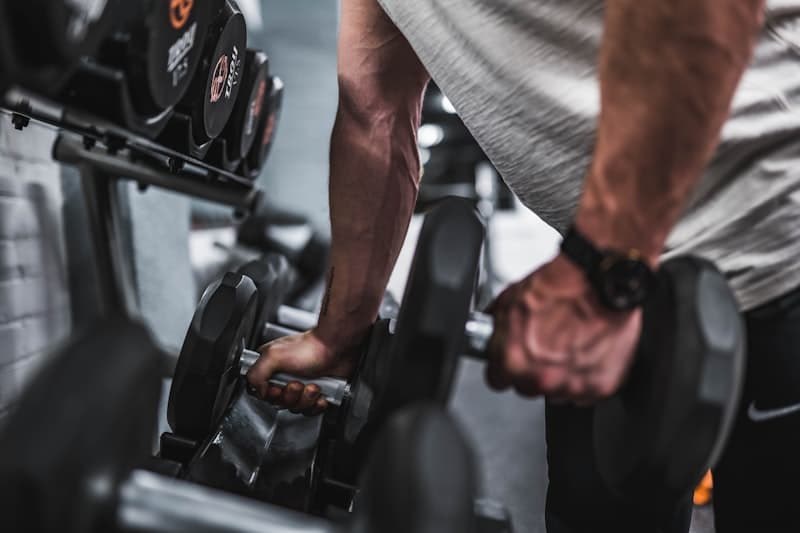
- Progressive resistance training 2-3 times per week: focused on compound movements with progressive load.
- Protein: 1.6 to 2.2 g per kilogram of body weight per day. In adults over 60, toward the upper end.
- Protein distribution throughout the day: 3-4 intakes of 25-40g.
- Creatine monohydrate: the supplement with the strongest evidence of safety and efficacy for muscle preservation, especially relevant in people over 50.
The investment that compounds over time
The muscle you build at 40 is the physiological capital you will have available at 70. The loss that occurs with aging is inevitable to some degree, but its speed and impact depend largely on your starting point.
References
This article is educational and does not replace individual clinical evaluation. If you have questions about your health, consult a medical professional.
Knowledge without application changes nothing.
At Kaizen we translate this into a personalized protocol, with real medical support, adapted to your specific biology.